
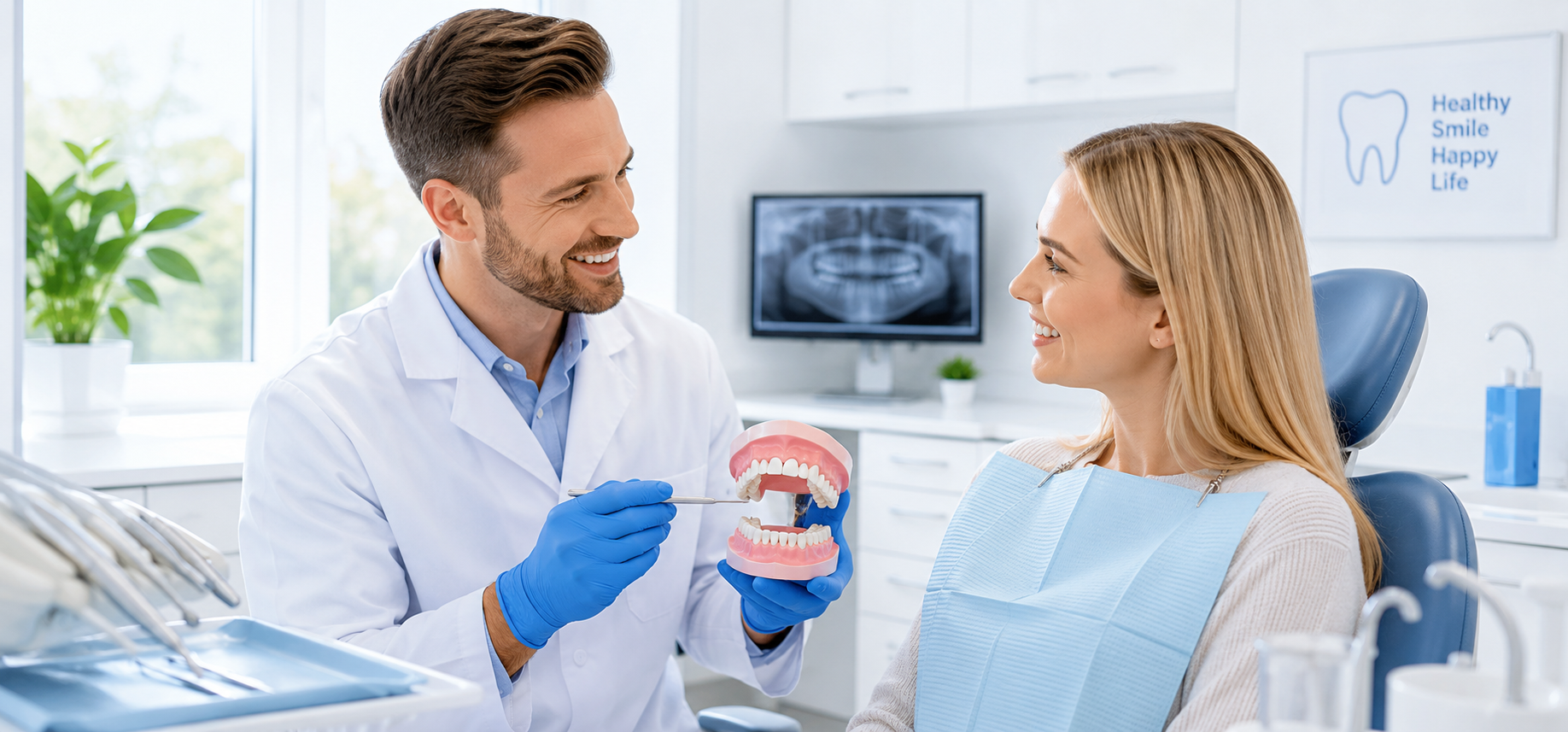
You arrive at a dental emergency in Los Gatos feeling uncertain about what to do next; this post guides you to clear, practical steps and local options so you can act fast and protect your smile. If you need urgent care in Los Gatos, you can get same‑day assessment and pain relief at local emergency dental clinics that handle cracked teeth, severe toothaches, lost fillings, and traumatic injuries.
The article explains how to recognize true dental emergencies, what to do before you get to a clinic, and which treatments you might expect so you feel prepared rather than panicked. It also covers how Los Gatos practices prioritize comfort, modern treatment options, insurance and cost basics, and simple prevention tips to reduce future emergencies.
Recognizing Dental Emergencies
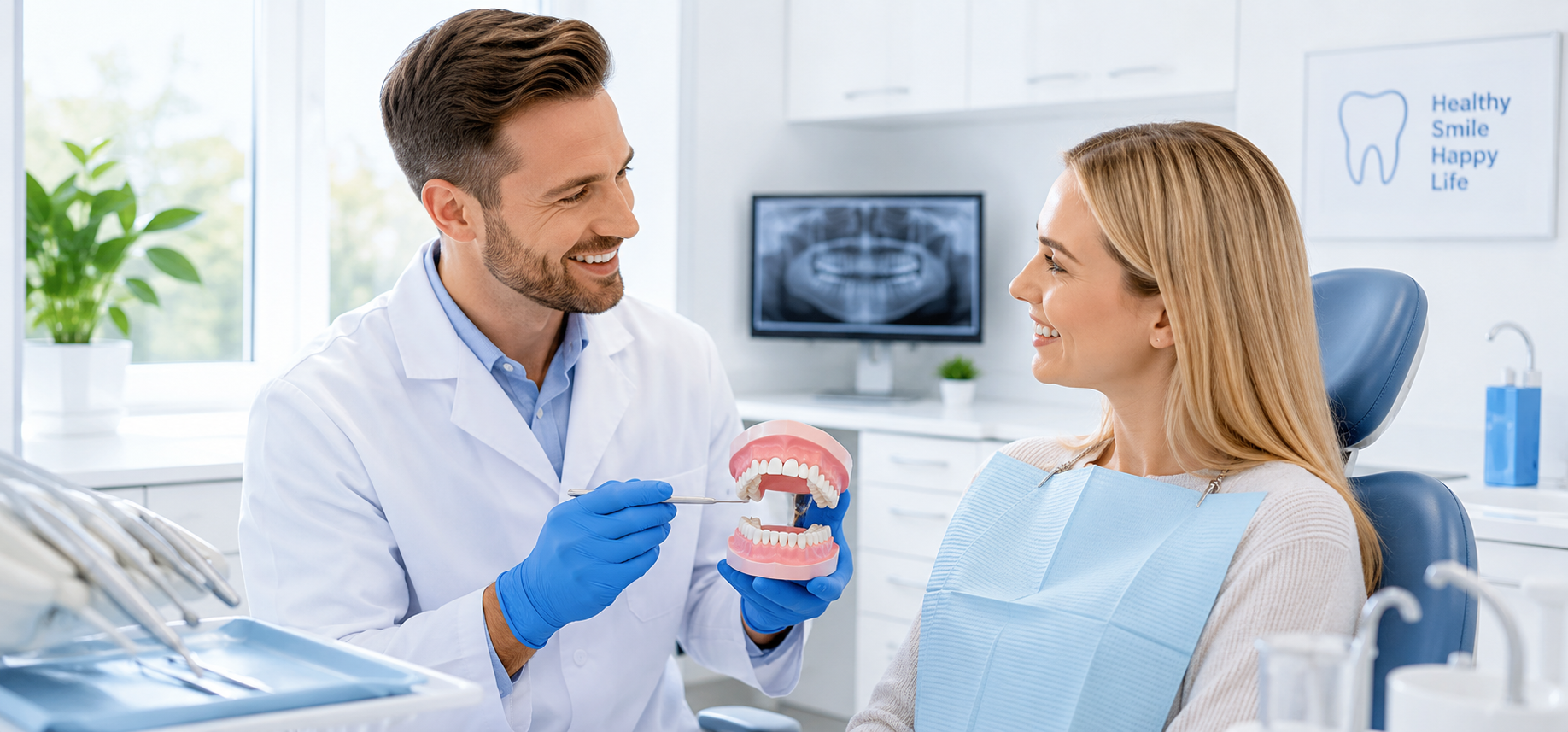
This section highlights clear signs, timing, and how to tell if a dental problem needs immediate professional care or can wait for a scheduled visit. It focuses on observable symptoms, practical decision steps, and simple distinctions to guide prompt action.
Common Signs of Urgent Dental Issues
Severe tooth pain that wakes someone from sleep, intensifies with biting, or does not improve with over‑the‑counter pain relievers often indicates an infection or nerve damage. Persistent, throbbing pain localized to one tooth or area requires fast evaluation.
Active bleeding from the mouth that won’t stop after 10–15 minutes of firm pressure may signal trauma or a post‑procedure complication. Visible swelling of the face, jaw, or under the tongue — especially when breathing or swallowing becomes difficult — suggests a spreading infection and needs immediate care.
Other urgent signs include a knocked‑out tooth, a tooth fractured down to the root, sudden loosening of a tooth, or an exposed root/crown. High fever combined with oral pain or swelling increases the likelihood of systemic infection requiring same‑day treatment.
When to Seek Immediate Help
Call an emergency dentist right away for knocked‑out permanent teeth; placing the tooth back in the socket within 30–60 minutes improves chances of saving it. If reinsertion isn’t possible, store the tooth in milk or an emergency tooth preservation kit during transport.
Seek immediate care for uncontrolled bleeding despite pressure, severe facial swelling, breathing or swallowing difficulty, or rapidly increasing pain following dental treatment. For severe infections, antibiotics plus drainage or urgent root canal therapy may be necessary to prevent spread to the sinus, jawbone, or bloodstream.
If pain is severe but not life‑threatening, contact the dental office the same day; many practices reserve emergency slots. For uncertain situations, err on the side of prompt evaluation — timely treatment reduces complications and often simplifies care.
Distinguishing Minor vs. Serious Problems
Minor issues often include mild sensitivity to hot/cold that resolves, small chips that do not expose nerve tissue, or discomfort from orthodontic adjustments. These typically allow a next‑day appointment and conservative home care like salt rinses and soft diets.
Serious problems usually show one or more red flags: intense, localized pain, swelling, persistent bleeding, fever, exposed nerve, or a tooth completely dislodged. Visual cues — large chips exposing dark tissue or a loose tooth in an adult — help prioritize urgent care.
Use this quick checklist to decide: Pain level (scale 1–10), bleeding after 15 minutes of pressure, visible swelling that changes the face shape, breathing/swallowing difficulty, and whether the tooth is missing or has exposed root. If any box is checked, seek immediate dental attention.
What To Do Before Visiting the Dentist
Prepare paperwork, control bleeding, and protect injured teeth. Call the dentist, gather insurance and medication details, and follow simple first-aid steps to stabilize the situation until care is available.
First Aid Tips for Dental Injuries
If bleeding occurs, apply direct pressure with a clean gauze or cloth for 10–15 minutes. They should sit upright and avoid spitting so blood clots can form; if bleeding doesn’t slow, seek immediate care or an emergency room.
For soft-tissue cuts, rinse gently with warm water and remove debris. Use a cold pack on the outside of the cheek for 10–15 minutes to reduce swelling and pain, repeating every 20 minutes as needed.
Keep any broken tooth fragments in milk or saline and bring them to the appointment. Note the time and mechanism of injury—this helps the dentist decide whether reattachment, a crown, or extraction is best.
Protecting a Damaged Tooth
If a tooth is chipped but still stable, avoid chewing on that side and cut food into small pieces. They should not try to push a protruding tooth back into place; instead, use a cold compress and get to the dentist promptly.
For a completely knocked-out tooth, handle only the crown and rinse briefly with saline if dirty. Place the tooth back in its socket if possible and hold gently, or store it in milk or Hank’s Balanced Salt Solution. Time matters: reimplantation success drops significantly after one hour.
Use a temporary dental wax or sugar-free gum to cover sharp edges and reduce soft-tissue irritation. Bring any relevant dental appliances, like a night guard or partial, to the visit for comparison.
Pain Management at Home
Over-the-counter ibuprofen or acetaminophen helps most dental pain; follow dosing instructions and avoid aspirin for children. They should not place topical numbing gels near the throat and should use them sparingly as directed on the label.
Cold packs applied to the cheek in 10–15 minute intervals reduce swelling and numb pain effectively. Warm saline rinses after the first 24 hours can ease gum soreness and help clean the area.
Avoid very hot, cold, or sugary foods that can aggravate exposed dentin or a cracked tooth. Keep a brief list of current medications and allergies to share with the dental team on arrival.
Types of Emergency Dental Treatments
This section describes common urgent dental procedures, what to expect during care, and immediate steps patients can take to protect teeth and reduce pain before arriving at the clinic.
Relief for Toothaches and Abscesses
Severe toothache and dental abscess require prompt evaluation because infection can spread to surrounding tissues. The dentist performs a focused exam, takes digital X-rays to locate the source, and tests the tooth’s vitality to determine whether decay, a crack, or pulp infection is causing the pain.
Treatment options commonly include:
- Drainage and incision for a localized abscess to relieve pressure and pain.
- Root canal therapy to remove infected pulp and seal the tooth when the nerve is involved.
- Extraction when the tooth cannot be saved or poses a systemic risk.
Antibiotics and pain control (acetaminophen or ibuprofen) are prescribed based on infection severity and medical history. The clinic explains follow-up care, signs of worsening infection, and preventive steps like improved oral hygiene and timely restorative treatment.
Repairing Broken or Chipped Teeth
Repairing fractured teeth depends on the extent and location of the damage. Small chips often receive smoothing and bonded composite restorations to restore contour and appearance in a single visit.
Larger fractures that expose dentin or pulp may require:
- Direct composite build-up for moderate damage.
- Dental crowns to restore strength and function when a large portion of the crown is lost.
- Root canal plus crown if the pulp is compromised.
The dentist assesses bite and occlusion to prevent further stress on the repaired tooth. Temporary measures—covering sharp edges with dental cement—help avoid soft-tissue injury on the way to the office. The team reviews material choices, expected lifespan of repairs, and care tips to avoid repeat fractures.
Treatment for Knocked-Out Teeth
A tooth avulsion is time-sensitive; reimplantation success drops after 60 minutes out of the socket. The patient should hold the tooth by the crown (not the root), rinse gently if dirty, and attempt to reinsert it into the socket if possible, or keep it moist in milk or a tooth-saver solution.
At the clinic, the dentist evaluates the socket, repositions and splints the tooth to adjacent teeth for stabilization, and prescribes antibiotics and tetanus update if indicated. Follow-up visits monitor healing and root resorption; root canal therapy is often completed within 1–2 weeks for mature teeth. The provider explains realistic outcomes, potential for long-term monitoring, and alternatives like implants or bridges if reimplantation fails.
How Los Gatos Clinics Handle Urgent Cases
Clinics in Los Gatos focus on quick access, effective diagnostics, and follow-up care to relieve pain and prevent complications. Patients can expect same-day evaluations, use of digital imaging and lasers, and clear guidance for after-hours needs.
Rapid Scheduling and Appointment Availability
Many practices reserve dedicated slots daily for urgent walk-ins and same-day emergencies. A patient with severe toothache or a knocked-out tooth is often seen within hours; clinics typically triage by phone to prioritize swelling, bleeding, or trauma.
Online booking systems and phone triage streamline intake. Reception staff collect symptoms, insurance details, and estimated arrival times so clinicians prepare appropriate rooms and instruments. Some offices offer text confirmations and short virtual triage calls to determine whether immediate in-office care is necessary.
For true dental trauma, Los Gatos clinics coordinate with local ERs and provide direct instructions — such as how to carry an avulsed tooth in milk or saline. Follow-up slots are commonly scheduled immediately after emergency treatment to monitor healing and plan definitive care like root canal therapy or restoration.
Technology Used for Immediate Care
Digital X-rays and CBCT scans allow clinicians to assess fractures, root problems, and bone involvement within minutes. High-resolution imaging reduces guesswork; dentists can plan extraction, splinting, or endodontic procedures on the same visit when indicated.
Intraoral cameras and chairside CAD/CAM systems enable rapid restorations. A broken crown or large fracture can sometimes be repaired or temporized the same day using milled ceramic or resin crowns. This limits time spent in discomfort and reduces the number of visits.
Laser therapy, pulsed irrigation, and local hemostatic agents manage soft-tissue injuries and control bleeding efficiently. When infection is present, clinics use targeted antibiotics and prescription-strength analgesics guided by clinical findings and, when needed, culture results.
After-Hours and Weekend Options
Several Los Gatos practices rotate after-hours coverage among dentists to offer phone triage and on-call appointments. Patients calling after 5 pm usually reach a clinician who provides step-by-step care advice and, if necessary, schedules an urgent evening or weekend visit.
Urgent dental clinics in the area maintain extended Saturday hours and occasional Sunday shifts to handle acute infections and trauma. They also provide clear instructions for emergency home care — such as cold compresses for swelling or how to manage a dislodged filling — until the patient can be seen.
Insurance and payment options are discussed upfront for after-hours visits to avoid surprise costs. Clinics often supply written discharge instructions and direct lines for follow-up questions, encouraging patients to call back if pain or swelling worsens.
Preventing Dental Emergencies
Preventing dental emergencies starts with predictable daily choices and timely professional care. Small adjustments — consistent brushing, protective mouthguards, and regular exams — reduce the chance of sudden pain, lost restorations, or broken teeth.
Everyday Habits to Keep Teeth Safe
Brushing twice daily with a soft-bristled brush and fluoride toothpaste removes plaque that causes decay and soft spots that can fracture. Flossing once a day reaches the tight contacts where cavities often start; interdental brushes help when teeth are crowded.
Avoid using teeth as tools to open packaging, and stop chewing hard items like ice, unpopped popcorn kernels, and non-food objects. These actions are common sources of cracked or chipped teeth requiring urgent care.
Limit acidic drinks (soda, sports drinks, citrus juices) and sip water afterward to neutralize acids. If grinding or clenching occurs, ask a dentist about a custom nightguard to prevent wear and sudden tooth fractures.
Benefits of Routine Checkups
Routine dental exams catch small problems before they become emergencies. A dentist can spot hairline cracks, beginning root issues, or failing fillings during an exam and recommend same-day or short-notice treatment to avoid pain.
Professional cleanings remove hardened tartar that home care can’t eliminate; this reduces the risk of gum infections that sometimes lead to abscesses. Digital X-rays and intraoral scans provide detailed views to detect hidden decay or bone loss early.
Regular visits also update restorations: loose crowns or worn fillings can be repaired electively, preventing a crown from dislodging at an inconvenient time. Patients with medical conditions like diabetes should maintain closer recall intervals because their oral-health risks rise.
Choosing Protective Gear for Sports
A properly fitted mouthguard absorbs impact and prevents tooth avulsion, fractures, and soft-tissue injuries. Over-the-counter boil-and-bite guards provide basic protection; a custom-fitted guard from a dentist offers superior fit, comfort, and shock distribution.
For contact and collision sports, prioritize a guard with full-arch coverage and multiple layers for energy absorption. Use helmets and face shields per sport guidelines; the mouthguard works best when combined with other protective equipment.
Replace mouthguards after significant wear or following dental work (new crowns or braces). Store guards in a ventilated case and clean them daily to prevent bacterial buildup that could cause gum irritation.
Understanding Treatment Costs and Insurance
Costs for emergency dental care vary by procedure, provider, and timing. Patients should expect itemized fees for the exam, imaging, and any immediate treatment, plus separate charges for follow-up care.
Typical Expenses for Emergency Visits
An urgent exam and evaluation in Los Gatos usually ranges from $150–$300 when billed as a standalone emergency visit. X-rays add $50–$200 depending on type (bitewing vs. panoramic). Common procedures have typical local price ranges: simple extractions $200–$500, surgical extractions $400–$1,200, root canal therapy $700–$1,500, and temporary crowns $200–$700. Pain management—such as a prescription or in-office injection—may cost $20–$100 in addition.
Emergency evening, weekend, or holiday appointments often carry an after-hours surcharge of $100–$250. Labs, specialist referrals (oral surgery), and sedation add separate fees. Patients should ask the dental office for a written estimate and an itemized receipt to compare costs and plan payment.
Insurance Coverage and Payment Solutions
Most dental insurance plans cover emergency exams fully or partially, but coverage depends on network rules and annual maximums. Preventive and minor restorative procedures often get higher reimbursement; major services (crowns, root canals) may be covered at 50% after a waiting period. Medical insurance sometimes covers dental emergencies that relate to trauma or medical conditions—patients should check policy language and obtain preauthorization when possible.
Dental offices in Los Gatos commonly accept major PPO plans, cash, credit cards, and third-party financing (CareCredit, LendingClub). Ask about a payment plan or a reduced-fee sliding scale if uninsured. Before treatment, verify benefits with both the insurer and the office’s billing coordinator to minimize surprise balances. Contacting the office with insurance details and ID allows staff to estimate patient responsibility in advance.
Caring for Your Smile After an Emergency
Proper care after a dental emergency speeds healing, reduces complications, and preserves function and appearance. Immediate steps, at-home care, and coordinated follow-up appointments form the core of recovery.
Tips for Recovery and Follow-Up Care
After urgent treatment, keep the treated area clean but gentle. Rinse with warm salt water (½ teaspoon salt in 8 ounces of water) starting 24 hours after injury to reduce bacteria; avoid vigorous swishing for the first day. Use a soft-bristled toothbrush and avoid flossing directly at the treated site until the dentist says it’s safe.
Control pain and swelling with prescribed medications or over-the-counter ibuprofen, following dosing instructions; apply a cold pack to the outside cheek for 10–15 minutes every hour during the first 24 hours. Eat soft, non-sticky foods—yogurt, mashed potatoes, smoothies—and avoid chewing on the affected side. If a splint, temporary crown, or dressing was placed, protect it: don’t bite hard foods, and report any looseness immediately.
Attend scheduled follow-up visits for reassessment, suture removal, or definitive restorations. Bring a list of changes in symptoms (increased pain, fever, numbness, swelling that worsens) and photos if swelling or tooth position changes. Maintain clear communication about pain control and function so the dentist can adjust the treatment plan.
Long-Term Oral Health After Treatment
Restorative work after an emergency—crowns, root canals, implants, or splints—needs long-term maintenance. Follow the dentist’s timeline for permanent restorations and avoid delaying final crowns or implant restorations; leaving temporaries in place increases risk of fracture and decay. Ask the dentist for a specific maintenance schedule for prosthetics, including when to return for adjustments.
Prevent future emergencies by wearing a custom nightguard for bruxism or a sports mouthguard during contact activities. Keep routine dental exams and hygiene cleanings every 3–6 months as recommended to monitor healing sites and prosthetic margins. Record and report any new symptoms—sensitivity, mobility, bite changes—so the team can intervene early and protect long-term outcomes.
For questions about post-emergency care or to schedule a follow-up, contact the dental office promptly to confirm appointments and receive personalized instructions.
Why Choose a Local Expert in Los Gatos
A local emergency dentist understands Los Gatos traffic patterns, clinic locations, and nearby emergency services, so they can coordinate care quickly when time matters. This reduces delays and helps patients get treatment within hours, not days.
They know the community’s health needs and common dental issues seen in the area. That familiarity lets them offer practical, personalized advice that fits local lifestyles and schedules.
Local dentists often maintain relationships with nearby specialists and labs. This network speeds up referrals, same-day crowns, or urgent surgical support without long waits.
Choosing a nearby practice also means easier follow-up care and continuity. Patients can return for post-treatment checks and preventive visits without disrupting work or family routines.
Many Los Gatos practices invest in modern, patient-friendly technology like digital X-rays and same-day restorations. Those tools improve diagnosis and comfort while reducing the number of visits needed.
Trust builds faster when a dentist is part of the same community. Familiar faces, clear communication, and a welcoming office environment help anxious patients feel more at ease.
Contacting a local expert gives practical advantages: quicker appointments, coordinated care, and smoother follow-up. They encourage questions and next steps, and they invite patients to call or schedule a consultation for urgent needs.
Frequently Asked Questions
This section addresses common urgent dental situations, how to manage pain or a lost restoration at home, and what to expect when seeking prompt care. It gives clear steps for preservation, pain relief, and likely treatments so patients can act quickly and confidently.
What counts as a dental emergency, and when should I seek care right away?
A true dental emergency includes uncontrolled bleeding, severe swelling that affects breathing or swallowing, intense pain that won’t be relieved by over-the-counter medication, and a tooth completely knocked out. Visible jaw fractures, infections with fever, and persistent pus discharge also require immediate attention.
Seek care immediately for these conditions; call an emergency dental office or go to the nearest emergency department if breathing is compromised. For less severe issues—loose restorations or mild pain—schedule same-day or next-day dental care.
What should I do if I have a severe toothache that won’t go away?
Rinse the mouth with warm salt water to reduce bacteria and gently floss to remove trapped debris. Take recommended-dose ibuprofen or acetaminophen for pain, unless contraindicated, and avoid very hot or cold foods that may worsen sensitivity.
Call the dental office as soon as possible to describe symptoms and request an urgent appointment. The dentist may diagnose decay, infection, or a cracked tooth and will likely recommend X-rays and either root canal therapy or extraction if infection is present.
How can I protect a knocked-out tooth while I’m on my way to the dentist?
Handle the tooth by the crown only; avoid touching the root. If dirty, rinse briefly with saline or tap water for no more than 10 seconds—do not scrub or use soap.
Try to reinsert the tooth into its socket and hold it gently in place. If reinsertion isn’t possible, store the tooth in cold milk or Hank’s Balanced Salt Solution; as a last resort keep it in the mouth between the cheek and gum. Seek dental care immediately—success rates fall sharply after one hour.
What should I do if a crown, filling, or veneer falls out unexpectedly?
Save the restoration in a clean container and bring it to the dental office. If the tooth is sensitive, cover it with dental cement from a pharmacy or a small piece of sugarless gum until professional care is available.
Call for an appointment the same day or next day depending on pain and function. The dentist will evaluate the tooth for recurrent decay, fit a temporary or permanent replacement, or consider a new restoration if the old one cannot be reused.
How quickly can I be seen for urgent dental pain, and what can I do for comfort in the meantime?
Many dental offices reserve same-day slots for urgent pain and will triage patients by severity. Call the office immediately and describe symptoms—swelling, fever, and severe pain receive priority.
While waiting, use ice packs on the cheek for 10–15 minutes to control swelling and take recommended-dose analgesics. Avoid aspirin directly on gums or tooth surfaces, and skip chewing on the affected side.
What treatment options are available for a cracked or broken tooth, and will it hurt?
Treatment depends on crack depth and location: bonding or a crown can restore minor fractures, root canal therapy may be needed if the pulp is exposed, and extraction becomes necessary for non-restorable fractures. Temporary splints can stabilize mobile fragments in some cases.
Dentists use local anesthesia for most restorative and endodontic procedures to minimize pain. Patients may feel pressure during treatment but typically experience little to no sharp pain; post-treatment discomfort is usually manageable with over-the-counter pain relievers.